
Hard water and high TDS (Total Dissolved Solids) are two of the most common water quality issues for homeowners in California’s Wine Country and they can quietly cause big problems. From spotty dishes and crusty faucets to appliance breakdowns and inefficient plumbing, the signs of mineral-heavy water are everywhere once you know what to look for.
At Rayne of the Wine Country, we help homeowners throughout Sonoma, Napa, Lake, Mendocino, and Solano counties prevent and treat these issues at the source with proven, reliable water treatment systems built for local water conditions.
In this guide, we’ll explain what hard water and TDS are, how they’re different, how they impact your home, and the best ways to prevent costly mineral buildup once and for all.
What Is Hard Water?
Hard water is water that contains high levels of dissolved calcium and magnesium minerals. These minerals are naturally picked up as water travels through soil and rock and are very common in municipal and well water throughout the Wine Country.
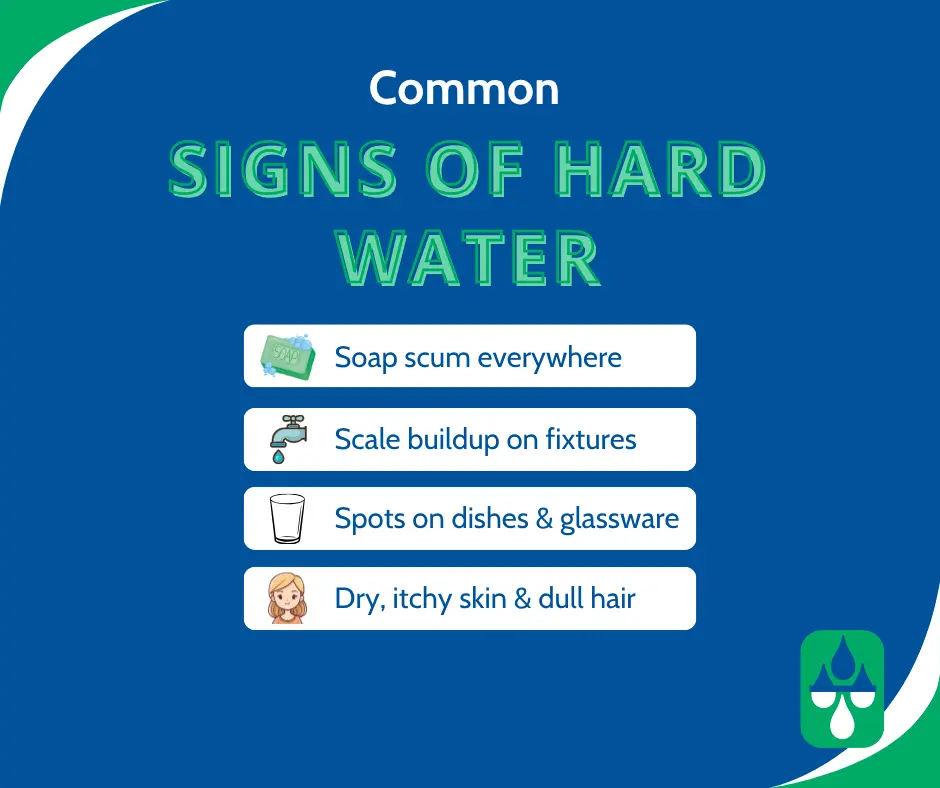
Common Signs of Hard Water
- White, chalky scale on faucets and showerheads
- Spots or film on dishes and glassware
- Soap that doesn’t lather well
- Dry skin, dull hair, or an itchy scalp
- Stiff, faded laundry
- Scale buildup inside pipes and appliances
While hard water is not harmful to drink, it can be very damaging to plumbing systems and water-using appliances over time.
Related article: Understanding the Hidden Costs of Living with Hard Water
What Are Total Dissolved Solids (TDS)?
TDS refers to the total concentration of dissolved substances in your water. This includes minerals like calcium and magnesium, but also other elements such as:
- Sodium
- Chloride
- Nitrates
- Sulfates
- Metals (like lead or iron)
- Organic matter and industrial contaminants
While hard water contributes to TDS, not all TDS causes hardness, and not all high TDS water is technically hard.
High TDS levels can lead to:
- Metallic or salty taste in drinking water
- Stains on glassware, dishes, and bathroom fixtures
- Faster wear on water-using appliances
- Potential health concerns depending on the specific TDS makeup

Hard Water vs. High TDS: What’s the Difference?
Although they’re related, hard water and TDS are not the same thing.
- Hard water refers specifically to calcium and magnesium minerals.
- TDS is a broader measurement that includes all dissolved solids, including hardness minerals and salts.
This means you can:
- Have hard water with moderate TDS
- Have high TDS water that isn’t necessarily hard
- Have both hard water and high TDS (very common in California’s Wine Country)
Understanding the difference is key to choosing the right water treatment system.
Related article: Decoding Your Water Test: Understanding Water Hardness and TDS Levels
How Hard Water and High TDS Damage Your Home
Impact on Plumbing and Appliances
Hard water scale and high TDS buildup reduce efficiency and shorten the lifespan of:
- Water heaters
- Dishwashers
- Washing machines
- Coffee makers
- Ice makers
- Tankless water heaters
Mineral scale acts as insulation, forcing appliances to work harder, use more energy, and fail sooner.
Related article: Hard Water and Water Heaters: What’s the Problem?
Increased Maintenance and Repair Costs
- Frequent descaling and cleaning
- Higher energy bills
- Premature appliance replacement
- Clogged pipes and reduced water pressure
In reality, preventing buildup is far more cost-effective than constantly repairing the damage.
Cleaning Methods for Removing Hard Water Buildup
If you already have scale buildup, regular cleaning can help, but it’s only a temporary fix.
Common Cleaning Solutions for Hard Water Stains
- White vinegar or citric acid for faucets and showerheads
- Descaling products for coffee makers and dishwashers
- CLR or similar cleaners for toilets and fixtures
It’s important to remember that while these methods remove visible scale, they don’t stop minerals from continuing to build up throughout your plumbing and appliances. The best long-term solution is switching to soft water and treating high TDS at the source.
The Best Water Treatment Systems for Hard Water and TDS Control
Water Softeners
A water softener is the most effective solution for hard water. It works through ion exchange, removing calcium and magnesium and replacing them with sodium or potassium.
Benefits of a water softener:
- Prevents scale buildup in pipes and appliances
- Extends appliance lifespan
- Improves soap efficiency
- Softer skin, hair, and laundry
- Reduced cleaning time and costs
Related article: Installing a Water Softener: Your Key to Better Water and Big Savings
Reverse Osmosis (RO) Systems
A reverse osmosis system is ideal for reducing TDS, including dissolved salts and other contaminants.
Benefits of RO systems:
- Significantly lowers TDS levels
- Improves taste and odor
- Produces high-quality drinking and cooking water
RO systems are often paired with a whole-home softener for complete water quality protection.
Related article: FAQs About Reverse Osmosis Drinking Water Systems: What You Need to Know
Whole-Home Water Treatment Solutions
In many Wine Country homes, the best approach is a customized combination system that addresses:
- Hardness minerals
- High TDS
- Sediment
- Aesthetic water quality issues
How to Maintain Appliances in Hard Water Areas
Even with a water treatment system, proper appliance maintenance matters:
- Flush water heaters annually
- Clean appliance filters regularly
- Use manufacturer-recommended detergents
- Schedule routine water system checkups
Homes without water treatment should expect much more frequent appliance maintenance and replacement cycles.
Water Treatment Solutions from Rayne of the Wine Country
At Rayne of the Wine Country, we specialize in helping homeowners throughout Sonoma, Napa, Mendocino, and surrounding Wine Country communities manage hard water and high TDS effectively.
Our solutions include:
- Whole-home water softeners
- Reverse osmosis drinking water systems
- Customized water treatment systems based on local water analysis
- Professional installation and ongoing support
We understand the unique water challenges in California’s Wine Country and design systems that protect your home, improve your water quality, and save you money long term.
The bottom line is that cleaning hard water buildup can help temporarily, but prevention is the real solution. Treating hard water and high TDS at the source protects your plumbing, appliances, and daily water experience.
If you’re ready to stop fighting scale and start enjoying better water, the water experts here at Rayne of the Wine Country are here to help. Contact us today to schedule a water test and find the right solution for your home.