Clean, great-tasting water is essential for your health, your home, and your peace of mind. Many homeowners today are exploring water treatment solutions to address issues like chlorine taste, sediment, hard minerals, and other contaminants. Two of the most common solutions are whole house filters and point-of-use water filtration systems.
But how do these systems differ, and which option is best for your home?
In this guide, we’ll explore how whole house filters work, the different types available, and how point-of-use systems compare. And if you live in Napa, Sonoma, Solano, Mendocino, or Lake County, we’ll also show you how working with a professional water treatment company like Rayne of the Wine Country can help you find the best system for your local water conditions.
What Are Whole House Filters?
Whole house filters, also called point-of-entry filtration systems, treat water at the location where it enters your home. This means that every faucet, shower, appliance, and fixture receives filtered water before you use it.
Because they filter water before it flows through your plumbing, whole house filters help improve water quality for drinking, bathing, laundry, and cleaning throughout the entire home.
These systems are commonly installed near the main water line and use multiple filtration stages to remove contaminants such as chlorine, sediment, and certain chemicals.
Types of Whole House Water Filtration Systems
Not all whole house filters are the same. Different systems are designed to address specific water quality problems.
1. Sediment Filters
Sediment filters are often the first stage in many whole house filtration systems. They remove large particles such as:
- Sand
- Dirt
- Rust
- Silt
Removing these particles protects plumbing, appliances, and additional filtration stages from damage.
2. Activated Carbon Filters
Activated carbon whole house filters are widely used because they effectively remove:
- Chlorine
- Unpleasant tastes and odors
- Volatile organic compounds (VOCs)
Carbon filtration is especially beneficial for homeowners who want cleaner, better-tasting water throughout the house.
3. Water Softeners
While technically not filters, water softeners are often included in whole house treatment systems. They remove hard minerals such as calcium and magnesium that cause scale buildup.
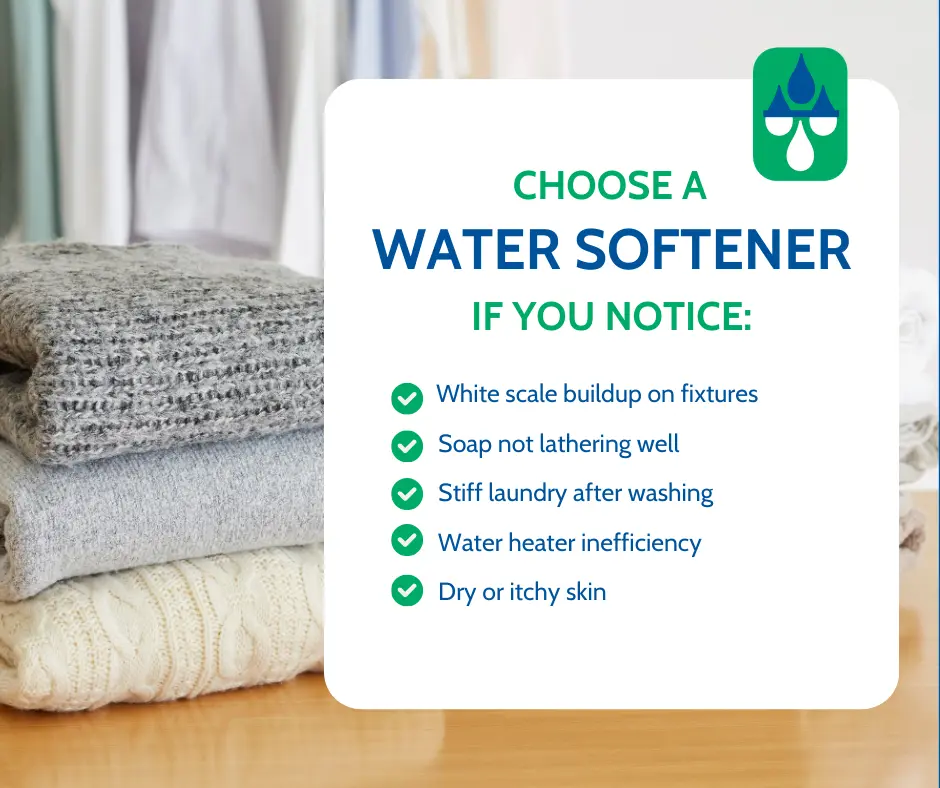
Benefits of water softeners include:
- Reduced soap scum and mineral deposits
- Longer lifespan for plumbing and appliances
- Softer skin and hair after bathing
4. UV Water Purification Systems
UV filtration uses ultraviolet light to eliminate bacteria, viruses, and other microorganisms. This type of whole house filtration is particularly helpful for homes using well water.
5. Multi-Stage Whole House Filters
Many systems combine multiple technologies, such as:
- Sediment filtration
- Carbon filtration
- Softening
- UV purification
These comprehensive systems provide broad protection against many common water quality issues.
Benefits of Whole House Filters
Installing whole house filters can provide several advantages for homeowners.
1. Cleaner Water Everywhere
Because filtration happens at the point where water enters the home, all water used for drinking, bathing, cooking, and cleaning is filtered.
2. Plumbing and Appliance Protection
Sediment and mineral buildup can damage appliances like water heaters, dishwashers, and washing machines. Whole house filtration helps reduce this buildup and extend appliance lifespan.
3. Better Skin and Hair
Removing chlorine and other chemicals can make water gentler on skin and hair, especially for people with sensitive skin.
4. Convenience
With a whole house system, you don’t need separate filters on every faucet or appliance.
What Are Point-of-Use Water Filtration Systems?
Point-of-use (POU) systems filter water at a specific location rather than throughout the entire home. Common installation locations include:
- Under the kitchen sink
- On a faucet
- In a refrigerator water line
- At a showerhead
These systems typically focus on providing high-quality drinking and cooking water at a single faucet. Because they treat smaller volumes of water, POU systems often use advanced filtration technologies like reverse osmosis to remove dissolved solids and contaminants.
Types of Point-of-Use Systems
Several types of point-of-use water filtration systems are available.
Faucet Filters: These attach directly to your faucet and provide filtered drinking water on demand.
Under-Sink Filters: Installed under the sink, these systems filter water before it reaches a dedicated faucet.
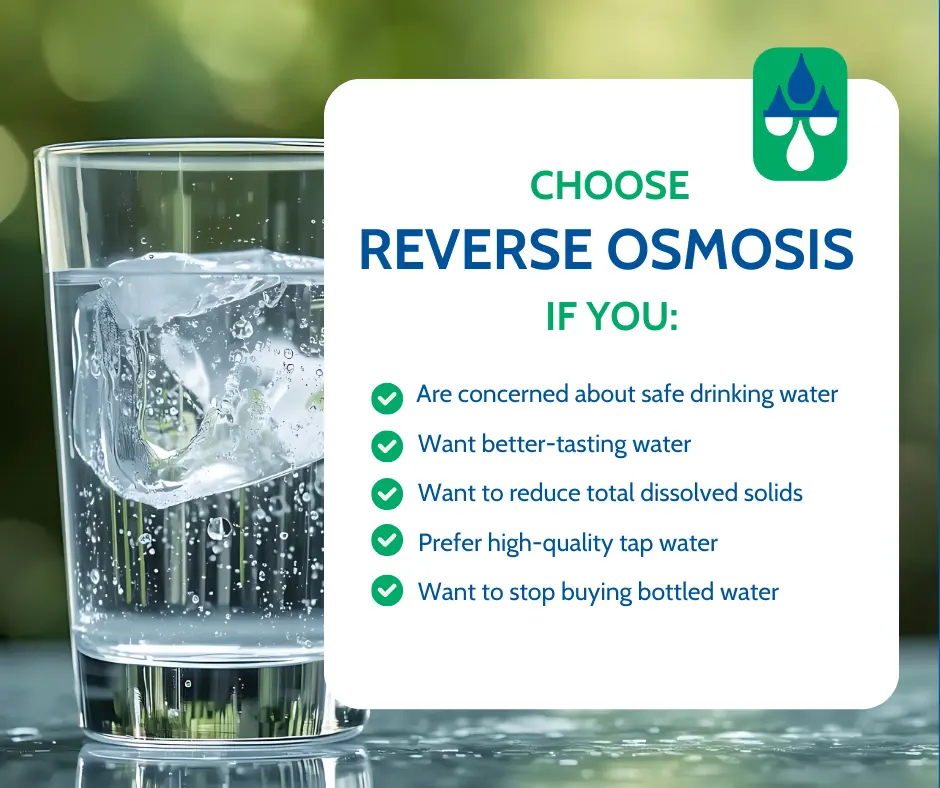
Reverse Osmosis Systems: Reverse osmosis (RO) systems are among the most powerful point-of-use solutions. They can remove:
- Lead
- Fluoride
- Dissolved solids
- Certain chemicals
Pitcher Filters: Portable pitcher filters are a simple and inexpensive option for improving drinking water taste. However, their volume is significantly more limited compared to an RO drinking water system.
Benefits of Point-of-Use Water Filtration Systems
Point-of-use systems also offer several advantages.
Lower Initial Cost: POU filters generally cost less upfront than whole house systems.
Targeted Filtration: These systems can be highly effective for removing specific contaminants from drinking water.
Easy Installation: Many POU systems can be installed without professional help.
Ideal for Small Spaces: Apartments or homes with limited plumbing access may benefit from point-of-use systems.
Whole House Filters vs. Point-of-Use Systems
Here’s a quick comparison:
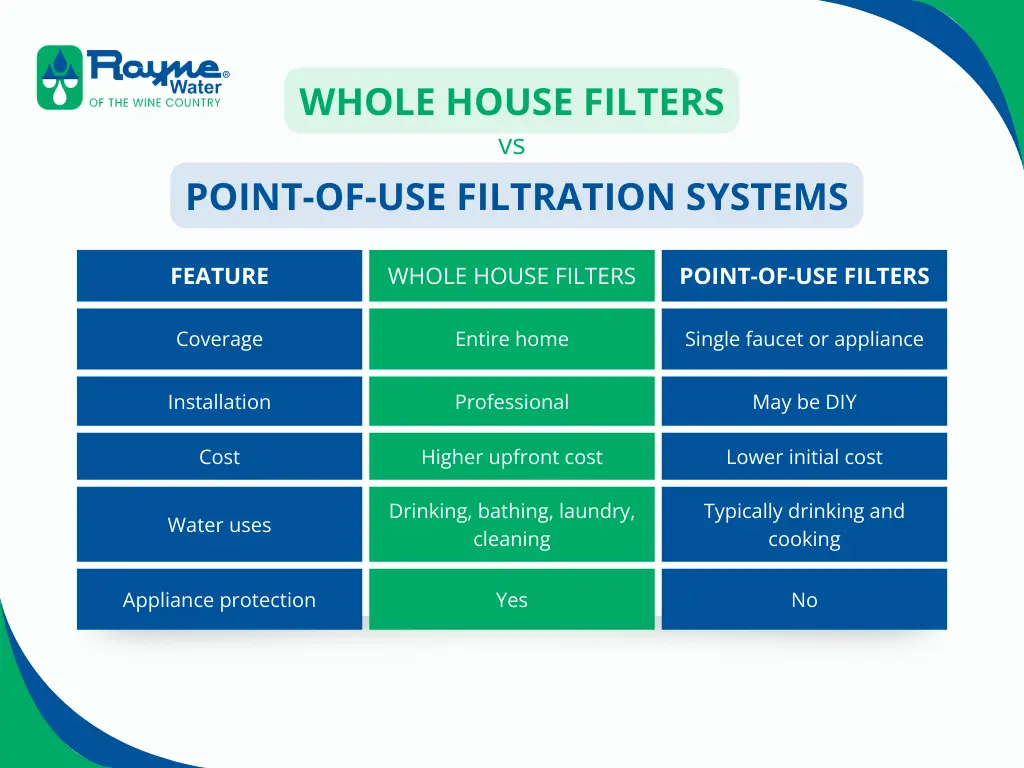
Whole house filters provide comprehensive coverage, while point-of-use systems provide targeted filtration at specific locations.
Frequently Asked Questions About Whole House Filters
Do whole house filters remove chlorine?
Yes. Many whole house carbon filters are designed to remove chlorine, improving both taste and odor throughout your home.
Are whole house filters better than under-sink filters?
It depends on your needs. Whole house filters treat all water entering the home, while under-sink filters only treat drinking water.
Do whole house filters improve shower water?
Yes. Because whole house filters remove chlorine and other contaminants before water reaches your bathroom, they can improve the quality of shower and bath water.
How long do whole house filters last?
Most systems require filter replacements once or twice per year, depending on water quality and household water usage.
How to Know Which Water Filtration System Your Home Needs
Choosing between whole house filters and point-of-use systems depends on several factors.
1. Your Water Quality
If your home has issues like:
- Hard water
- Chlorine odor
- Sediment
- Iron staining
A whole house filtration system may be the best solution.
2. Your Filtration Goals
If your primary concern is drinking water quality, a point-of-use system may be sufficient.
3. Household Size
Larger households often benefit from whole house filters because they provide consistent filtration for multiple bathrooms and appliances.
4. Budget
While whole house systems require a larger investment upfront, they can provide long-term value by protecting plumbing and appliances.
5. Combination Systems
In many cases, the best solution is a combination of whole house filtration and point-of-use systems. This might include installing a water softener for better overall water quality as well as a reverse osmosis unit at the kitchen sink for ultra-clean drinking water.
Water Quality Concerns in Napa, Sonoma, and Surrounding Counties
Homes throughout Napa, Sonoma, Solano, Mendocino, and Lake County can experience a variety of water quality issues depending on the water source. Before choosing a filtration system, it’s important to understand what’s actually in your water.
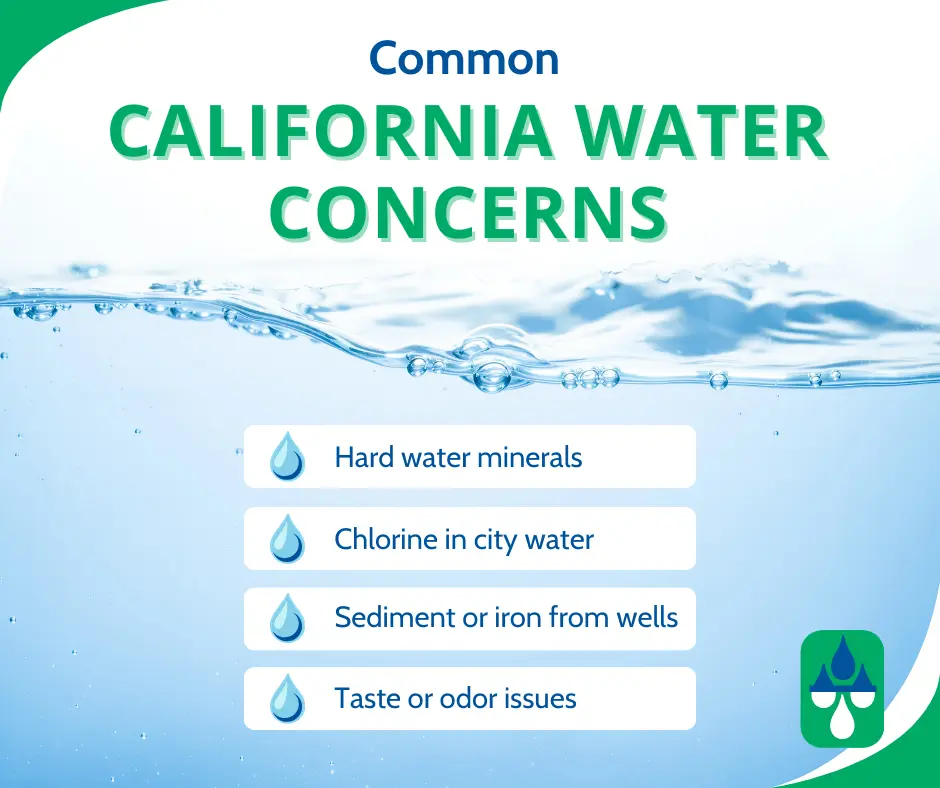
Some common local concerns include:
- Hard water minerals
- Chlorine from municipal water supplies
- Sediment or iron from wells
- Taste or odor issues
Because water quality varies widely by region, professional water testing is the best way to determine which whole house filters or point-of-use systems will work best for your home.
How Rayne of the Wine Country Can Help
Choosing the right water treatment system doesn’t have to be complicated. At Rayne of the Wine Country, our experts specialize in helping homeowners throughout Napa, Sonoma, Solano, Mendocino, and Lake County improve their water quality.
Our team can help with:
- Professional water testing
- Customized whole house filters
- Point-of-use filtration systems
- Water softeners
- Water filtration system installation and maintenance
When comparing whole house filters vs. point-of-use systems, there is no one-size-fits-all answer. The best option depends on your water quality, household size, and personal goals.
However, if you want clean, filtered water throughout your entire home, whole house filters provide the most comprehensive protection. Pairing them with a point-of-use system for drinking water can deliver the ultimate water quality solution.
If you’re ready to improve your home’s water, working with experienced water treatment professionals can ensure you choose the system that fits your needs perfectly. Contact us today whether your goal is better-tasting drinking water, plumbing protection, or healthier water for bathing and cooking. Our local water experts can recommend the right solution so you get the high-quality water you deserve!