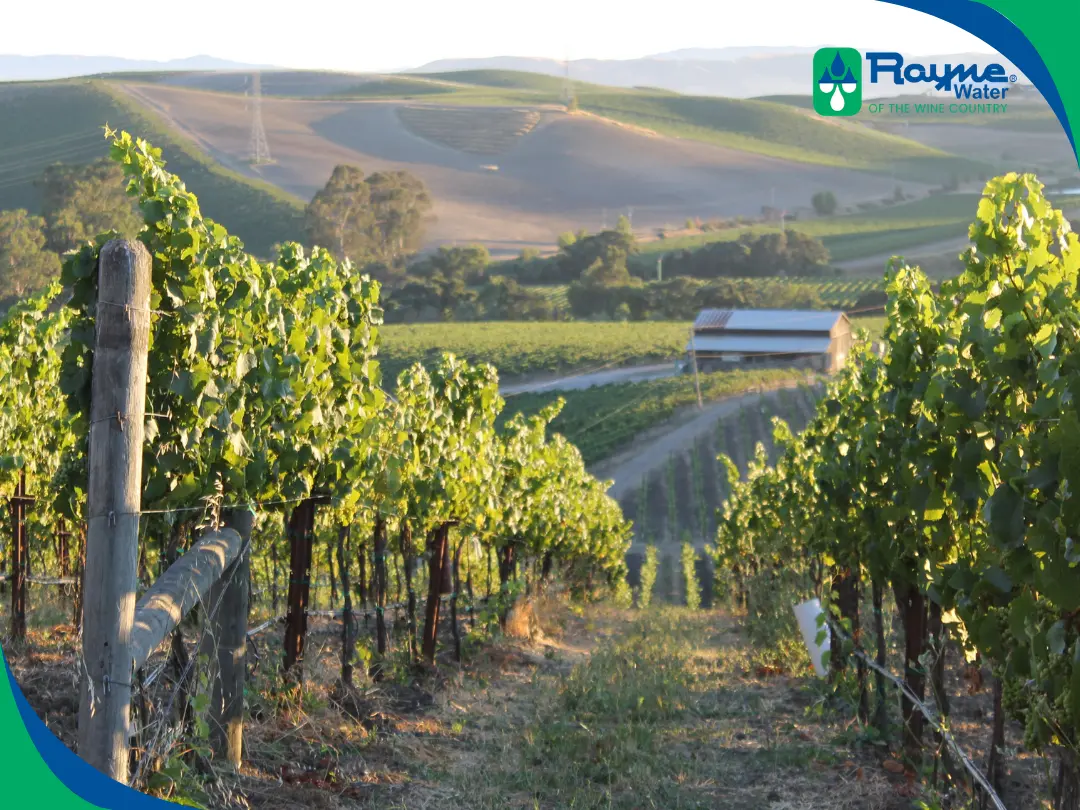
Operating a commercial vineyard, boutique winery, agricultural facility, or hospitality venue across Northern California’s Wine Country presents distinct operational rewards—but also some serious environmental challenges. While Lake, Mendocino, and rural Sonoma Counties may be perfect for grape growing, there are also highly unpredictable groundwater profiles.
Unlike municipal systems that deliver pre-treated, standardized water, commercial well water in rural Wine Country often contains elevated levels of heavy metals (iron and manganese), persistent hydrogen sulfide gas, high total dissolved solids (TDS), and localized microbial risks.
Left untreated, poor groundwater quality threatens expensive production equipment, impacts irrigation systems, scales up boilers, and directly affects tasting room hospitality experiences.
The Hydrogeology of Wine Country Groundwater
The volcanic history, fault zones, and deep sedimentary aquifers across Lake, Mendocino, and Sonoma Counties give rise to well water with extreme mineral variations. Deep agricultural wells often pull from anaerobic (oxygen-poor) aquifers where metals and minerals remain fully dissolved in solution until pumped to the surface.
1. Dissolved Iron and Manganese (Heavy Metals)
In deep rural wells, iron usually exists in its soluble, ferrous state, often referred to as “clear-water iron.” While water drawn straight from the pump may look crystal clear, exposure to air causes oxidation, converting it into insoluble ferric iron—creating reddish-orange sludge.
- Impact on Production: Iron buildup rapidly clogs drip irrigation emitters in vineyards, leaves heavy rust stains on stone architecture, and fouls costly reverse osmosis membranes.
- Manganese: Frequently occurring alongside iron, manganese leaves dark, oily black deposits that ruin fixture aesthetics and promote iron-bacteria slime growth inside distribution piping.
2. Hydrogen Sulfide Gas
The notorious “rotten egg” smell in rural wells stems from anaerobic sulfate-reducing bacteria thriving in deep aquifers or geothermal subterranean pockets typical near Lake County and North Sonoma.
- Impact on Commercial Operations: Beyond turning away tasting room guests, hydrogen sulfide gas is highly corrosive. It actively eats away at copper piping, brass valves, stainless steel fittings, and delicate electrical contacts inside cellar control panels.
3. Elevated Total Dissolved Solids (TDS) and Hardness
TDS measures the combined total of organic and inorganic substances dissolved in water—primarily calcium, magnesium, silicates, chlorides, and carbonates. In regions with intensive agricultural pumping or volcanic geology, wells often register TDS levels well above 500 ppm to over 1,500 ppm.
- Impact on Equipment: High TDS leads to rapid limescale accumulation inside commercial water heaters, boilers, steam generators, and barrel-washing equipment. This can drastically raise energy consumption and trigger premature heating element failure.
Learn more: Decoding Your Water Test: Understanding Water Hardness and TDS Levels
Water Filtration Solutions for Rural Commercial Wells with High Mineral Content
Treating high-volume commercial well water requires industrial-grade engineering tailored to specific flow rates and peak demand hours. Generic, off-the-shelf residential systems fail quickly under commercial conditions.
Custom commercial water treatment solutions integrate multi-stage filtration engineered for high performance:
1. Commercial Water Softeners and Hardness Reduction
To protect hot water infrastructure and commercial appliances, industrial water softeners, like the Rayne Alternating Twin Softener, provide continuous soft water without downtime during regeneration cycles.
- Continuous Operation: While one tank regenerates, the second tank remains online to handle immediate operational demands.
- Resin Protection: High-capacity, fine-mesh, or iron-tolerant resins prevent premature resin fouling when moderate iron levels are present in raw well water.
2. Oxidation and Catalytic Media Filters for Iron
For moderate-to-high concentrations of dissolved iron, manganese, and hydrogen sulfide gas, robust catalytic filtration systems provide complete removal without constant manual chemical handling.
- Air Injection Oxidation (AIO): Uses pressurized air pockets inside specialized vessels to precipitate dissolved iron and hydrogen sulfide gas into solids before trapping them in a backwashing media bed.
- Chemical Injection: For severe contamination or active sulfur-reducing bacteria colonies, automated metering pumps feed oxidizers directly into contact tanks, followed by carbon media beds to polish residual oxidizers.
3. Commercial Ultraviolet (UV) Sterilization Systems
Surface runoff and changing subterranean water tables in rural areas increase the risk of microbiological contamination, such as E. coli or coliform bacteria entering untreated well heads.
- Chemical-Free Disinfection: High-output commercial UV disinfection systems destroy bacterial DNA and viral pathogens instantaneously as water passes through stainless steel reactors. This helps maintain safe water without altering taste, odor, or chemical composition.
- Cellar Safe: Essential for agricultural processing plants and tasting rooms where residual chemical disinfectants could affect production processes or product taste.
Frequently Asked Questions About High Mineral Content in Commercial Wells
What level of TDS is considered too high for commercial agricultural or winery use?
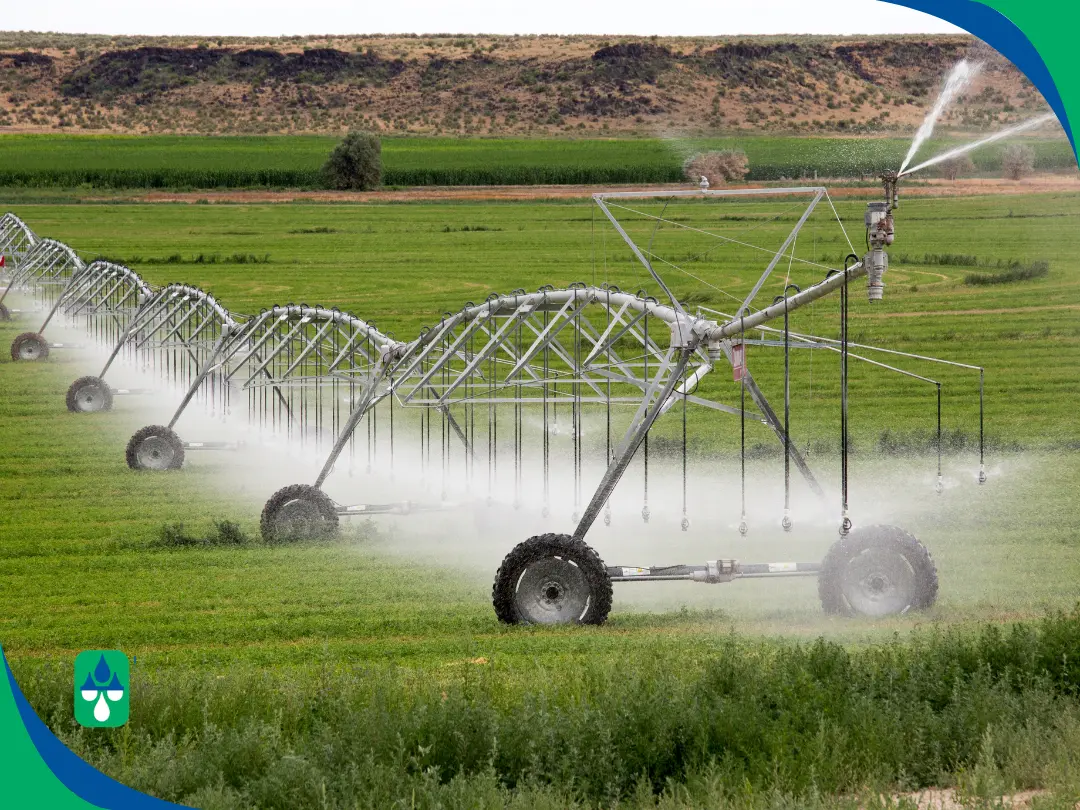
While crop tolerance varies, overall TDS levels above 500–800 ppm can begin causing drip emitter scaling, soil salinization, and equipment scaling. For tasting room beverage services and sensitive barrel-washing applications, lower TDS levels (typically under 200 ppm) are ideal to prevent water spots and protect equipment.
Why do well water iron and sulfur levels fluctuate between seasons?
In Lake, Mendocino, and Sonoma Counties, heavy winter rain shifts water table depths, diluting dissolved minerals temporarily. Conversely, during peak summer irrigation months, heavy pumping draws down the local water table, pulling water from deeper, mineral-rich, anaerobic aquifer layers with higher concentrations of iron, manganese, and hydrogen sulfide gas.
Can a commercial water softener remove both hard minerals and high iron levels?
Standard water softeners can handle trace amounts of clear-water iron (usually under 2–3 ppm). However, high concentrations or ferric (precipitated) iron will quickly coat and ruin softener resin beads. Properties with high iron levels require dedicated oxidation filters placed ahead of the water softener to protect the equipment.
How often should a commercial well water supply be professionally tested?
Commercial facilities and agricultural operations should perform comprehensive water testing at least once a year for total mineral content, heavy metals, TDS, and microbiology—or immediately whenever there is a noticeable shift in color, odor, or pressure.
Upgrade Your Commercial Well Water Infrastructure
Don’t let unfiltered well water threaten your commercial investments, equipment longevity, or customer experience. By applying targeted water treatment solutions, rural commercial properties across Lake, Mendocino, and Sonoma Counties can convert problematic groundwater into a clean, reliable asset.
To evaluate your facility’s specific well water profile or design a custom commercial system, contact our commercial water treatment experts today.